

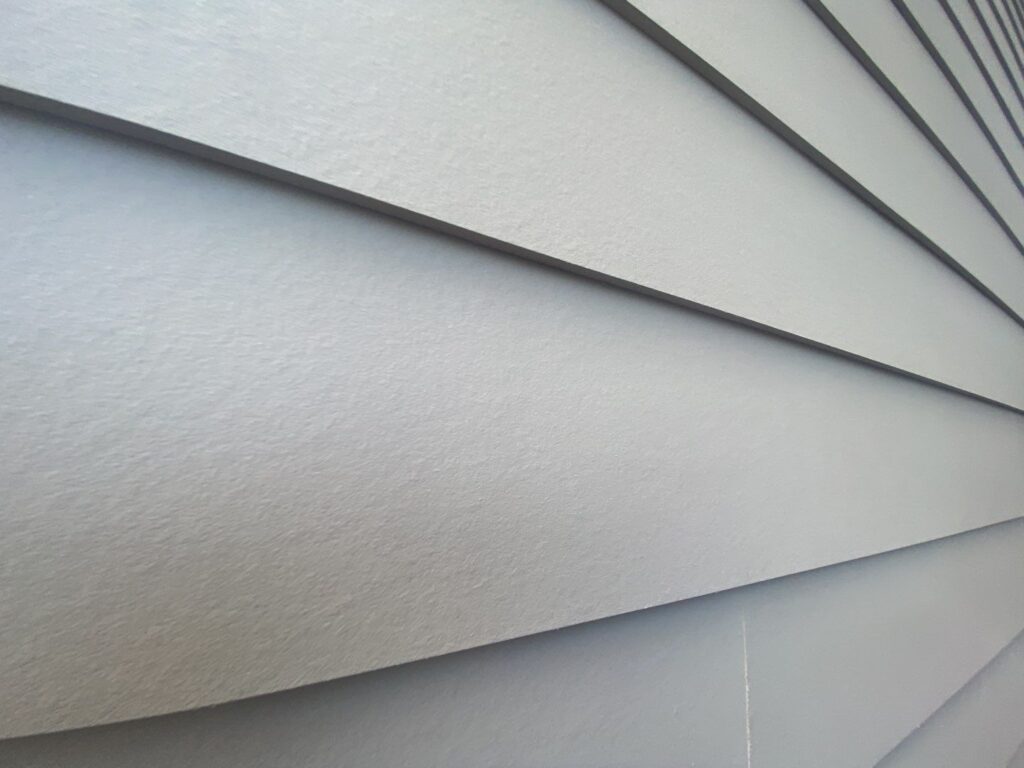
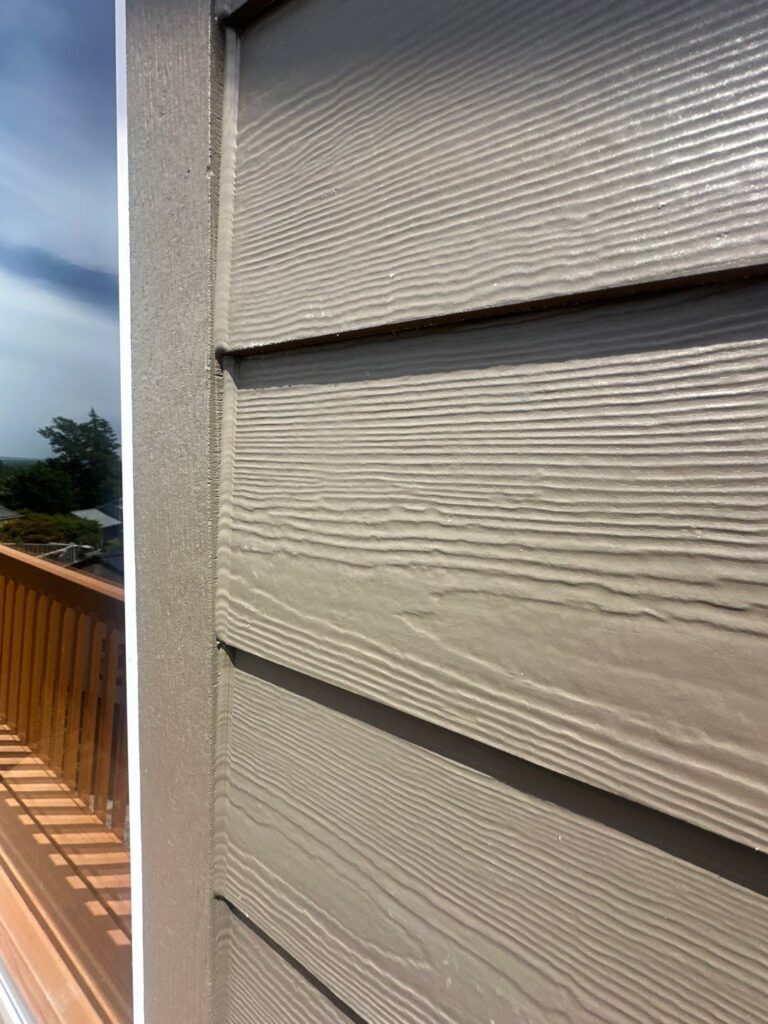
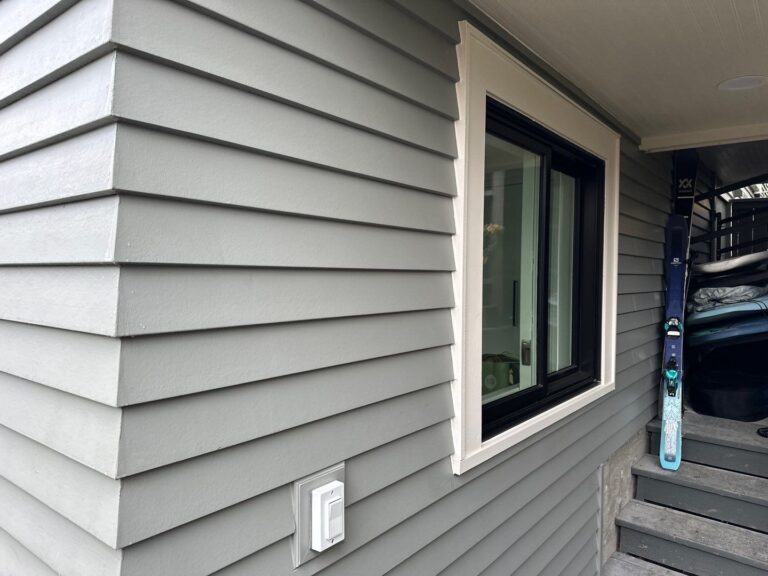







"KV sat with us to ensure he was meeting all of our design expectations and we hashed out all the details. They did a very nice job communicating when the materials would be dropped off and when the work was to begin. They were very efficient and completed on time. The new siding looks fantastic"
Michael Dickerson "I've used KV Construction for 2 siding projects and both have turned out great. They are quick, on budget, and very communicative during the process."
Tom Macie "Vasily was extremely easy to work with when it came to ad hoc change requests outside the demo/installation work in our original estimate. I found their quote to be very fair and extremely competitive (compared to other bids that we received), and the crew was friendly, polite, professional, and efficient.
We are very pleased with the results of our residing project!"
Brian Ackley "Vasily's family business was a pleasure to work with on siding repair for the Kenmore Community Club. Friendly, responsive, prompt, and high quality - everything you're looking for in a good engagement."
David Evans



Kara Alden
01:49 05 Dec 24
If I could give 10 stars, I would. As new, first time homeowners, our worst fear came true when we discovered termites in our old cedar siding. We got a couple quotes from different companies and didn't like the vibes of any of them - it felt like talking to used car salesmen.
Vasily came to our house to look over the project, and it was like night and day difference. He listened to our concerns, talked us through how he would handle the project, and showed us different options for a total siding replacement even at our first meeting. He is knowledgeable, honest, and entirely dedicated to his clients.
Once we signed on for the job, Vasily truly went above and beyond our expectations. When his crew discovered structural damage from a past water leak, they worked to inform us and mitigate all of the past damage. They helped reinforce our (incorrectly attached by previous owners) deck supports, and they made sure that we had proper flashing on all our windows for the first time ever. Vasily communicated, answered questions, and made sure that we were informed throughout the entire process.
Then, tragedy struck. Vasily's crew finished the work and left at 3pm on November 19th. At 8pm that same day, a 125 foot spruce tree fell on our house, cutting our roof in half and more. We reached out to Vasily and he 1. Offered to come fix any damages done to the siding, and 2. Immediately offered roofing contacts and recommendations. Even when our professional relationship had concluded, Vasily still helped us as clients.
As a new homeowner who hasn't hired for many projects yet (we prefer to DIY), Vasily and everyone at KV construction are worth their weight in gold. I would give a whole hearted recommendation to any homeowner.
Vasily came to our house to look over the project, and it was like night and day difference. He listened to our concerns, talked us through how he would handle the project, and showed us different options for a total siding replacement even at our first meeting. He is knowledgeable, honest, and entirely dedicated to his clients.
Once we signed on for the job, Vasily truly went above and beyond our expectations. When his crew discovered structural damage from a past water leak, they worked to inform us and mitigate all of the past damage. They helped reinforce our (incorrectly attached by previous owners) deck supports, and they made sure that we had proper flashing on all our windows for the first time ever. Vasily communicated, answered questions, and made sure that we were informed throughout the entire process.
Then, tragedy struck. Vasily's crew finished the work and left at 3pm on November 19th. At 8pm that same day, a 125 foot spruce tree fell on our house, cutting our roof in half and more. We reached out to Vasily and he 1. Offered to come fix any damages done to the siding, and 2. Immediately offered roofing contacts and recommendations. Even when our professional relationship had concluded, Vasily still helped us as clients.
As a new homeowner who hasn't hired for many projects yet (we prefer to DIY), Vasily and everyone at KV construction are worth their weight in gold. I would give a whole hearted recommendation to any homeowner.

chanratha oeurn
04:12 21 Nov 24
KV Construction installed the new James Hardie siding on the entire house. We highly recommend this company. His crew finished the work on time. We genuinely like his crew. They are hard working. Vasily kept us updated on the status of the project until finished. We are satisfied with the outcome.

Susan A
22:08 20 Oct 24
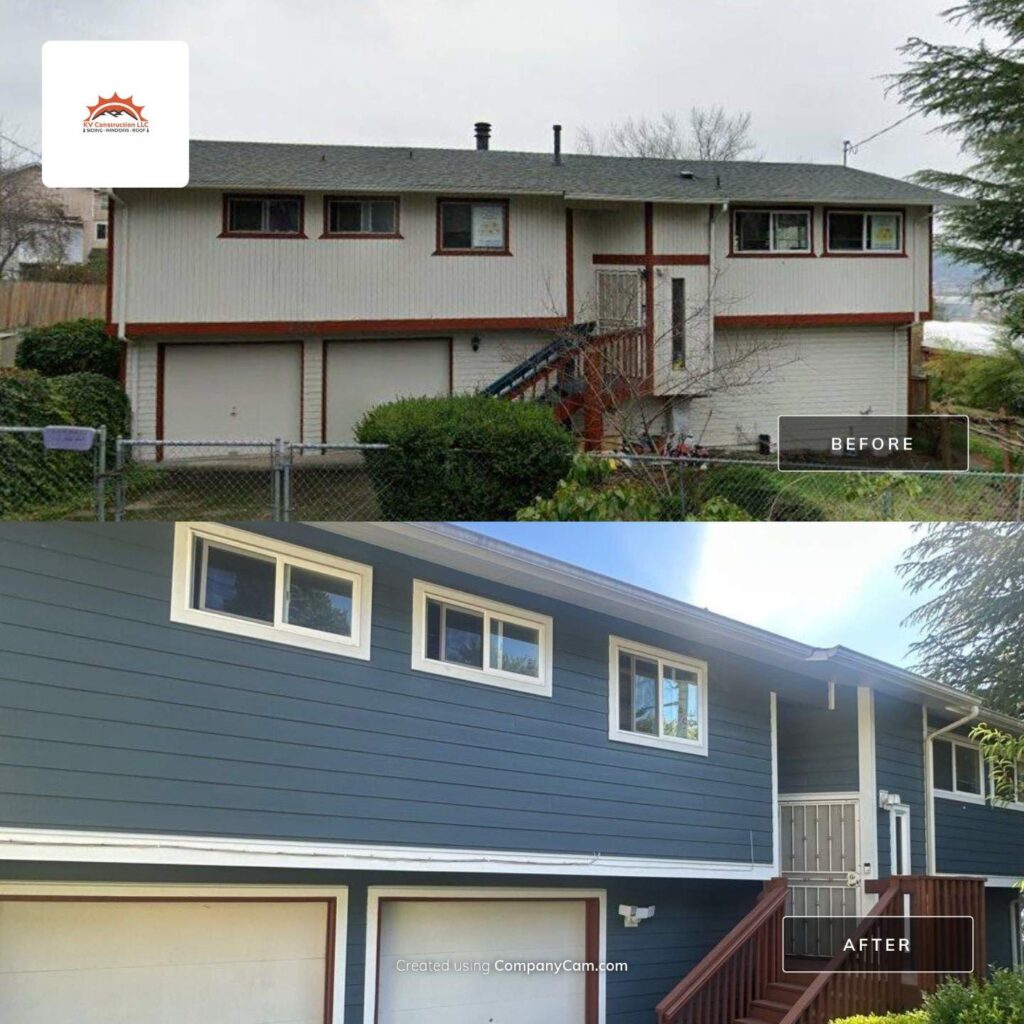
I would highly recommend KV construction for your house siding project. I decided to remove the siding on my house and add new Hardi board to increase the sale value. I hired KV after interviewing two other companies. I knew it was going to be an interesting process since the asphalt shingles were from the 1950s and the original siding underneath that was from 1908. The first discovery was no sheathing under the original cedar siding. There were many change orders along the way due to poor condition of siding and supports, but it was worth it. I ended up getting new siding on the garage too and I'm glad I did it because it looks fantastic. The house sale went smoothly mainly because the exterior of the house looks so beautiful. Vasily is attentive and educates with a kind and humble manner, which is respectful to a single woman. He was quick to hear me out on issues and had them quickly fixed. Both he and his partner/wife are professionals as well offering kind and attentive communications. Vasily goes out of his way to please you and would go to work on a Sunday if necessary. I never felt rushed or taken for granted. Pricing was way under one bid and I would consider them in the middle. Before and after pics attached.

Shawnea Blair
19:13 09 Jul 24
Better late than never! Vasily was quick to get our project for full house siding done in 2022 with a competitive bid! We appreciated the teams hard work and love the look of how they transformed our home exterior! Thank you!!

Gerald Macheso
05:25 09 Jul 24
We hired KV Construction to do our siding and we are very pleased with the quality of their work. Vasily and his crew were very professional and great to work with.

Jonathan Beltrami
06:10 14 May 24
I am a general contractor. My company is Paragon Construction LLC.
I Hired Vasily and his team to do a re-side on my clients house. I couldn't be more happy with the finished product and workmanship of his crew.
They removed old vinyl siding, nails, fascia boards, doors and windows. Then installed all new James Hardie building materials, and new doors and Windows. Everything was done by the book to ensure a beatiful long lasting exterior on my clients home.
Yuri and his co-worker were easy to work with. They identified areas that had dry rot and repaired them. They came up with some great solutions for areas that had unusual framing.
Thank you KV Construction LLC for a job well done. I will definitely be using the in the future.
I Hired Vasily and his team to do a re-side on my clients house. I couldn't be more happy with the finished product and workmanship of his crew.
They removed old vinyl siding, nails, fascia boards, doors and windows. Then installed all new James Hardie building materials, and new doors and Windows. Everything was done by the book to ensure a beatiful long lasting exterior on my clients home.
Yuri and his co-worker were easy to work with. They identified areas that had dry rot and repaired them. They came up with some great solutions for areas that had unusual framing.
Thank you KV Construction LLC for a job well done. I will definitely be using the in the future.

Nick
00:53 15 Apr 24
Fantastic experience with KV construction team! They replaced our old siding in Seattle home with new Hardieplank siding and it was done quickly and with high quality. We had constant communication from their team and the process from the initial conversation to job completion was easy and streamlined. Highly recommend working with their skilled and knowledgeable, professional team!

Jeff Walton
01:33 04 Apr 24
Incredible work, fast, communicative, high quality. Will hire again for siding jobs.
Replaced hardy board better than the original installer!
Replaced hardy board better than the original installer!

Jessica Warners
20:51 08 Feb 24
We were extremely satisfied with KV Construction, which recently finished installing new siding on our house. The pricing was highly competitive, offering us a variety of choices for trim, did cedar knee braces, and the work was finished much sooner than the initially quoted period. The team was very cautious with our house while removing the old siding and ensured it remained dry. Throughout the entire process, the project manager kept us well-informed, and the finished work looks outstanding.

Kat Kram
21:10 24 Jan 24
Looking for exterior professionals who take care of people and always do the right thing? You need to call KV construction LLC! Siding contractors in Seattle WA who go above and beyond for their clients and they’ve been in business as a family owned company for over 12 years with a flawless record. James Hardie, cedar, fiber cement, windows, they have you 100% covered. Thanks KV construction LLC 😊

Leonid ZavyLov
02:42 21 Jan 24
Very good company, quality work. Easy to work with and reliable. Did the job quickly and respond in timely manner. Would definitely contact in the future.

Tom Macie
17:36 19 Jan 24
I've used KV Construction for 2 siding projects and both have turned out great. They are quick, on budget, and very communicative during the process.

Gerald Redding
04:11 19 Jan 24
I used KV Construction on my last two home renovations that needed new siding. They do great work and I’ll continue to use them.

Gretta Dive
23:45 18 Jan 24
Replaced old siding with James Hardie fiber cement. The whole experience with KV was outstanding from start to finish. As new homeowners, undertaking a complete siding replacement and exterior painting project was intimidating. Vasily and the rest of the team made all our fears go away. They gave us a very thorough and accurate quote, and went above and beyond with great communication during the entire project. We are very thankful for them, and cannot recommend their services highly enough!

Michael Dickerson
15:49 17 Nov 23
We were very pleased with KV construction, and the siding work they did for us. First, they able to meet our price for our smaller project without the minimums all the other bidders had. Next, KV sat with us to ensure he was meeting all of our design expectations and we hashed out all the details. Lastly, KV did a very nice job communicating when the materials would be dropped off and when the work was to begin. They were very efficient and completed on time. The new siding looks fantastic and nicer than we had originally planned with some additional details KV incorporated. We would recommend KV construction to others; we are really happy with how this project has turned out!

Mike Stefanelli
19:04 07 Nov 23
Great work and very professional.

Brian Ackley
16:37 10 Jul 23
Vasily was extremely easy to work with when it came to ad hoc change requests outside the demo/installation work in our original estimate. I found their quote to be very fair and extremely competitive (compared to other bids that we received), and the crew was friendly, polite, professional, and efficient.
We are very pleased with the results of our residing project!
We are very pleased with the results of our residing project!

David Evans
18:20 17 Jun 23
Vasily's family business was a pleasure to work with on siding repair for the Kenmore Community Club. Friendly, responsive, prompt, and high quality - everything you're looking for in a good engagement.

Henry Liu
17:42 16 Jan 23
KV did a nice job installing siding on our addition project, very detail oriented. They took time to make sure everything is up to our and their standards. Thank you!