
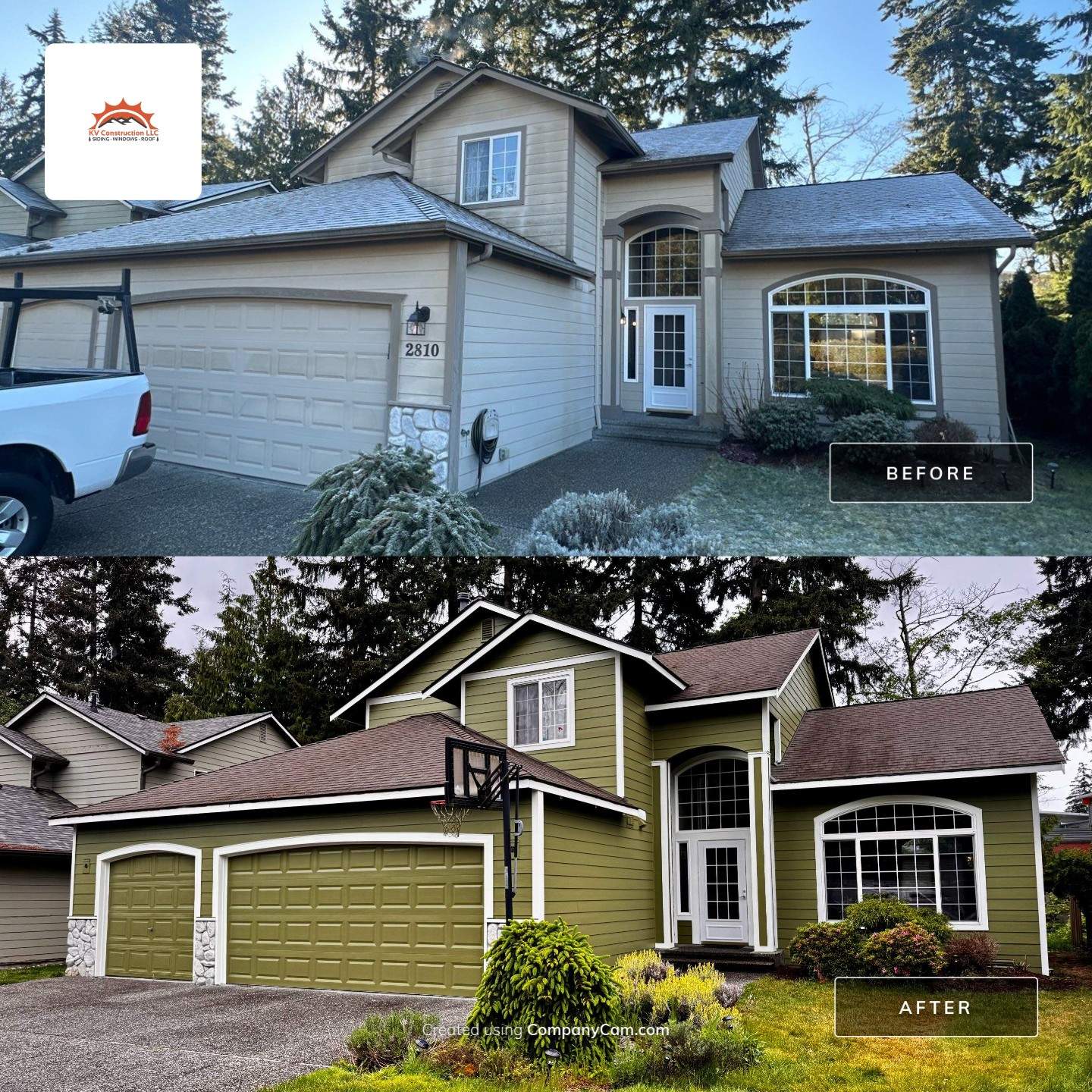
If you are planning siding replacement in Everett, one of your first questions may be practical: can we keep living here while the work happens? The answer depends on the house, the scope, the work methods and your household. A useful plan addresses those details before materials arrive.
KV Construction’s Everett siding replacement services focus on complete exterior projects. This guide helps homeowners prepare for the daily decisions that come with that work, from parking and pets to weather updates and the final walkthrough.
Start by deciding whether staying home fits the project
Discuss occupancy during the estimate and scope review. Exterior work can involve removal, cutting, fastening, ladders, scaffolding and material deliveries close to windows and doors. Window replacement or extensive concealed-damage repairs can change the level of disruption.
Tell the contractor about remote work, daytime sleeping, mobility needs and anyone who depends on a particular entrance. Ask which phases may affect those routines. If a safe route or suitable household conditions cannot be maintained, discuss other arrangements before the start date rather than deciding after work begins.
Agree on access, parking and delivery space
Walk around the property together and identify the working areas. A driveway that holds one car comfortably may also need room for a delivery, debris container or siding materials. Settle where residents will park and how cars can leave without passing through active work.
- Choose the entrance residents should use and how changes will be communicated.
- Explain steps, gates, narrow paths and accessibility requirements.
- Identify a place for deliveries, packages and trash collection.
- Confirm when a deck, side yard or garage entrance will be unavailable.
Keep household traffic outside work and staging areas. Ask the project contact before approaching a wall under construction; a familiar shortcut around the house may become part of the work zone.
Prepare rooms beside the exterior walls
Ask what preparation is appropriate inside each room before that wall is worked on. Discuss moving fragile objects, pictures and items resting against exterior walls where vibration could affect them. Confirm when windows should stay closed and whether curtains, blinds or outdoor window accessories need attention.
For calls, schoolwork or uninterrupted rest, arrange another room or an off-site option during louder phases. Request the expected working hours, while recognizing that a renovation cannot offer the same quiet conditions as an ordinary day at home.
Plan separately for children, pets and older painted surfaces
Choose an indoor area away from entrances and work zones for pets, and tell everyone who handles pickups or deliveries which door to use. Check fences and gates with the contractor if equipment or materials will affect access. Children should have a play area separated from construction activity.
For homes built before 1978, raise painted-surface and lead-safe renovation questions before removal starts. The EPA’s homeowner renovation guidance explains why disturbing older paint needs specific planning and recommends certified lead-safe contractors. Ask how containment, resident access and cleanup will be addressed for your property.
Document the property before the crew mobilizes
Move portable furniture, planters, grills and other loose belongings away from affected walls as agreed. Walk through planting beds, irrigation, exterior lights, hose connections and outdoor equipment with the project contact. Identify anything that needs special handling.
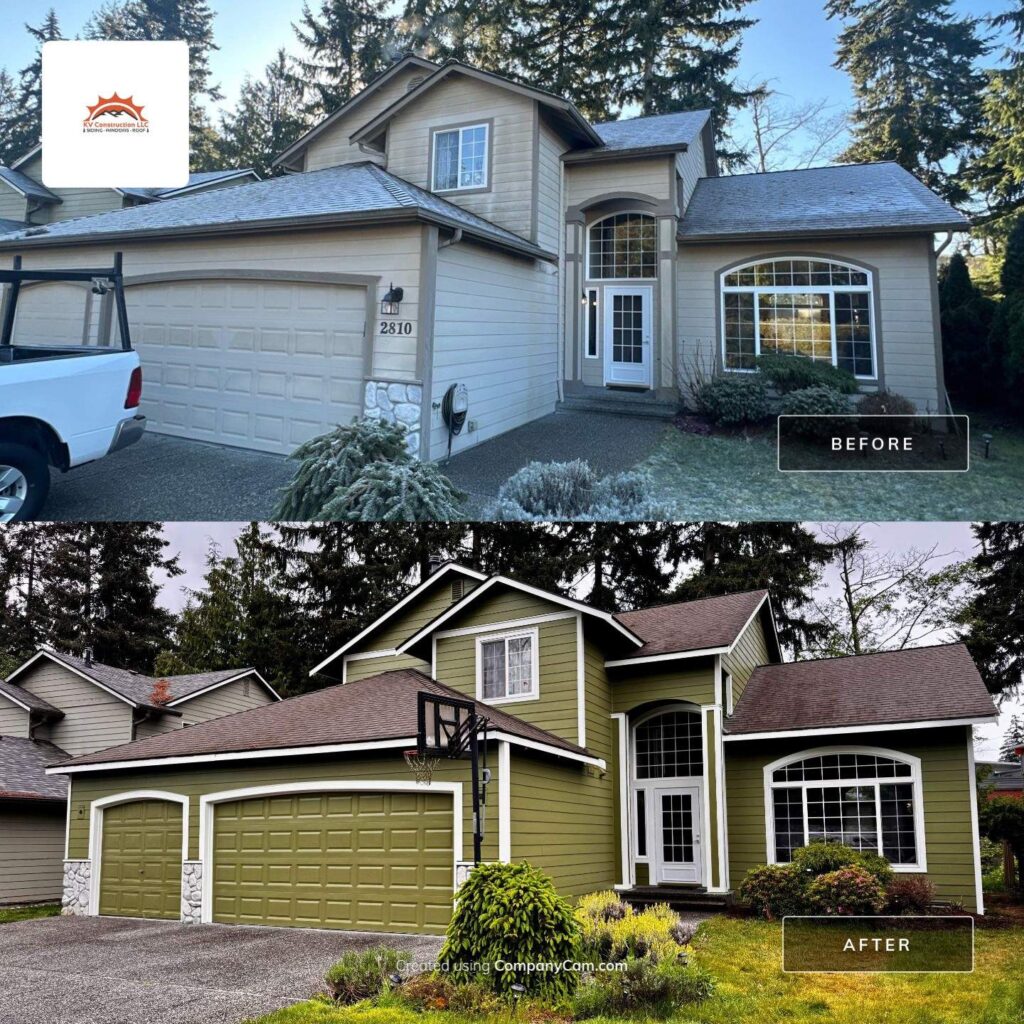
A few dated photographs can help record existing conditions and support a clear discussion about protection and restoration responsibilities. Ask what you should move, what the contractor will protect, and which items require another trade. Looking through completed Everett siding projects can also help you identify exterior details to discuss.
Set a simple routine for updates and written changes
Choose one household decision-maker and one primary project contact. Agree on how updates will arrive and when you should expect a response to ordinary questions. Useful updates explain the next work area, access changes, deliveries and decisions awaiting approval.
If removal reveals damaged material, ask for photographs and a description of the proposed correction. Review any price or schedule effect in writing before authorizing added work. Keep those approvals with the original scope so everyone can track what changed.
Ask about weather decisions and the daily stopping point
Everett’s wet season makes day-to-day scheduling an important conversation. Ask how the team decides which areas to open, how exposed work will be protected and what could postpone installation or finishing. Avoid organizing the household around an assumed completion date that has not been discussed.
At the end of a workday, know which entrances remain available, which areas are restricted and whom to contact about an unexpected concern. A short status update can prevent uncertainty when the crew has left.
Finish with a walkthrough and organized records
Review the completed work against the scope and approved changes. Note remaining items, cleanup questions and any accessories that need reconnection. Collect applicable product information, finish details, warranty documents and maintenance instructions, and clarify the contact for future questions.
To discuss your property and household needs, request a siding consultation with KV Construction or call the Everett contact at (425) 879-4398. Bring your access and scheduling questions to the first conversation so they can shape the project plan.